Encouraging Aging Adults to Adopt Regular Exercise Through Evidence-Based Exercise Guidelines
Wiki Article
Staying active is important for people of every age group, but it turns especially vital as individuals mature. For older adults, regular exercise supports sustaining autonomy, enhances movement, and boosts quality of life. Comprehensive training frameworks deliver seniors with organized strategies to physical health that cover balance, flexibility, muscle endurance, and resilience. By implementing carefully planned exercise routines, elders can improve their quality of life while minimizing the chances of falls, long-term illnesses, and mental health challenges.
Staying fit for aging individuals is not limited to demanding training sessions or heavy fitness sessions. It centers instead on low-impact, consistent, and ongoing movement that suits unique capacities. Activities such as brisk walking, flexibility drills, yoga, and light resistance training assist preserving range of motion and muscle tone. Heart-strengthening activities like aqua aerobics or recumbent cycling improve circulation, which are key for maintaining physical endurance and performance. These physical practices also enhance mental function, as findings have demonstrated that regular exercise can boost memory, emotional well-being, and cognitive function.
Comprehensive training plans emphasize a integrated method to wellness, covering muscular, mental, and interpersonal aspects of well-being. Seniors are advised to start gradually and move forward at a steady rate, ensuring safety while preventing fatigue. Adding pre- and post-exercise stretches prevents strain, while appropriate hydration and diet support training outcomes. Additionally, group fitness environments—such as group fitness classes or fitness meetups—provide avenues for social interaction, engagement, and mental connection, which are crucial to overall health.
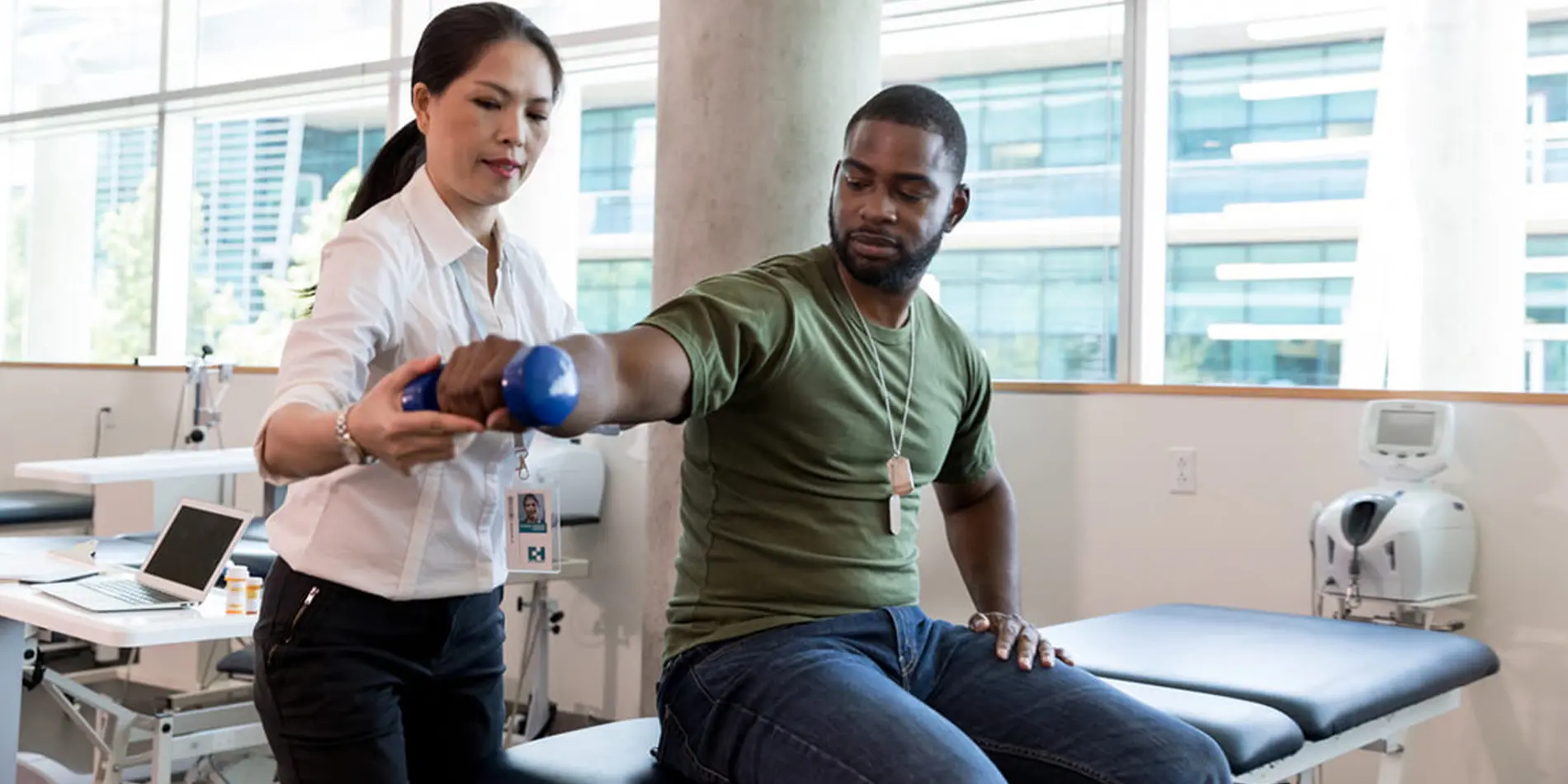
Professional guidance serves a important role in assisting seniors develop personalized training schedules. Get More Information Consulting physicians, mobility experts, or certified fitness trainers guarantees that programs are aligned to individual needs, physical capabilities, and targets. These experts can recommend appropriate training methods that address issues such as arthritis, osteoporosis, or cardiovascular limitations. Through ongoing assessment and revision, training programs continue to be effective and motivating, supporting sustained adherence and achievement.
Ultimately, empowering seniors to adopt exercise through comprehensive exercise guidelines builds a culture of active aging. When seniors are provided with understanding, confidence, and organized systems, they gain trust in their mobility and appreciate greater freedom. Sustained fitness improves not only physical strength but also mental clarity and emotional resilience. By supporting accessible, well-guided exercise plans, read the full info here societies can ensure that each older adult has the chance to lead a active, vibrant, and meaningful life.